Every November 30, within the framework of commercial dates of high transactionality and important celebrations for commerce, the International Information Security Day is commemorated, recalling the first case of malware that was registered in the world and that affected 10% of the machines connected to what we know today as the Internet.
Today the commemoration goes beyond that, the date aims to raise awareness among industries and society in general of the importance of protecting information, a key and indispensable asset in the modern world, from cyber threats. In this digitalized context, protecting your company from cyber-attacks is not just another requirement or standard, it is a decisive pillar for the survival of your organization and its permanence in a competitive industry, full of risk factors and potential cyber-attacks.
What are we facing?
Cyberattacks have experienced exponential growth in recent years, with methods becoming increasingly complex and sophisticated. IBM’s X-Force Threat Intelligence Index 2024 report, which monitors more than 150 billion security events per day in more than 130 countries, reveals that data theft and leakage increased by 32%, making it the most common impact for organizations today.
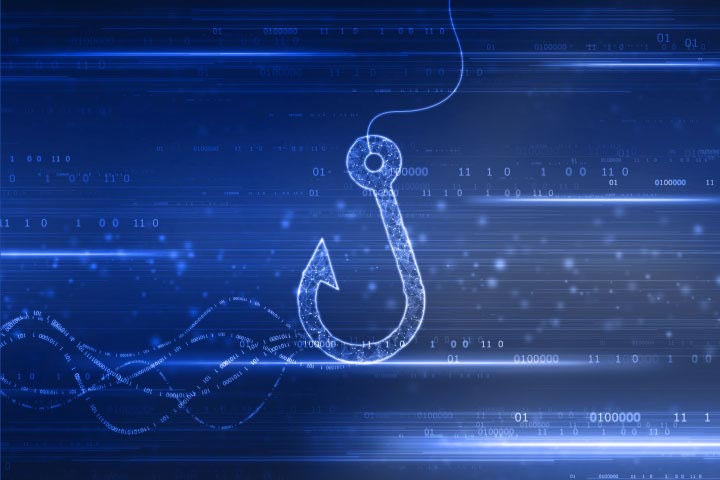
While techniques such as ransomware, malware or phishing continue to have notoriety in the cybersecurity landscape, the report delivered by IBM for this year, shows a new trend in cyber-attacks: a continued increase of 70% in attacks with valid credentials, that is, cybercriminals are acquiring the skills to obtain legitimate and secure income, which requires companies to strengthen their security systems and credential verification.
One of the main reasons for these types of attacks gaining momentum is the increasing digitization of companies, which has expanded the attack surfaces, and the massive adoption of the cloud, which has created new benefits as well as risk factors that need to be considered when implementing it. In addition, the financial sector and e-commerce are being targeted by cybercriminals because of their valuable customer information.
Against this backdrop, what are the challenges facing the financial sector?
According to IBM’s Cost of a data breach Report 2024, the financial industry is the second most affected industry in terms of costs incurred by cyberattacks and data breaches at $6.8 billion, second only to the healthcare industry.
The most common threats faced include ransomware, online fraud, phishing, banking application breaches and, more recently, organizational access breaches. As cybercriminals seek new techniques to breach data, institutions must bolster their defenses with advanced security technologies, such as artificial intelligence (AI), to detect anomalous behavior patterns, and multi-factor authentication (MFA) to secure access to their systems.
What actions can help you reduce the impact of a cyberattack?
Cyber-attacks can happen, whether we are prepared or not, however, implementing robust security measures can go a long way to mitigate the risks, generating less exposure of the data we work with on a daily basis. Keep in mind:
1. It is vital to know your data and your data environment
Is your information hosted in the cloud? Do you manage multiple databases? It is vital to be aware of the location and status of your data at an organizational level to implement appropriate data management and protection strategies.
2. To avoid the growing phenomenon of credential theft, implement detection tools
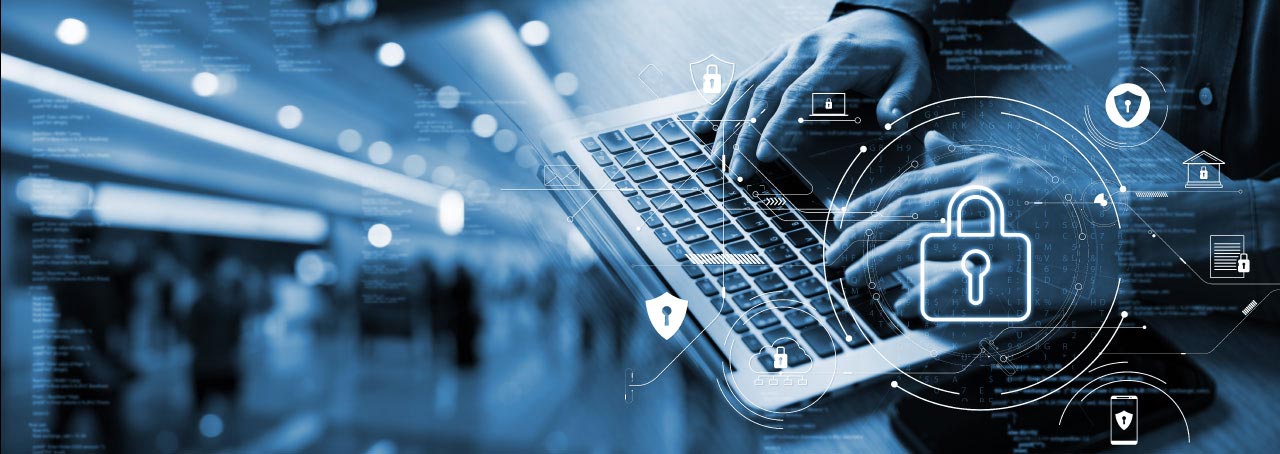
With a robust policy of secure passwords and the implementation of multi-factor authentication (MFA), make it difficult for cybercriminals to access your systems, and implement adequate management of resources such as e-mail or electronic devices linked to your organization.
3. Use a powerful cryptographic scheme that allows you to reduce the risk of breaches
Your business must have an action plan, a robust cryptographic scheme that allows you to implement tools such as tokenization and effective encryption methods that not only help you comply with the standard but also provide security at the highest level in the market.

4. Regularly back up your data and prevent it from being compromised during an attack
To guarantee the continuity of your business it is key to perform periodic backups that guarantee the security of your information, make sure that these backups are stored in different places from where you have the business data storage, encrypt the information and, finally, make periodic restorations to verify that the backed-up data is useful.
5. Conduct regular security audits and assessments within your company
Identify in time possible vulnerability hotspots within your organization to act in time and further strengthen your systems against possible attacks.
We are all, in some way, part of the financial system, this sector being the second most attacked, not only because of the business object but also because it is a reference with thousands of users worldwide and the challenge of affecting either the entity or their customers become the best of the vulnerability challenges. This is why security controls have migrated to much more robust technologies where the entity can give its stakeholders peace of mind to use the services it provides and keep their risks under control.
CLAI Payments® Technologies has been characterized as being part of the solution to the constant risks to which entities are exposed daily. The company's trajectory, knowledge and lessons learned make us the owners of robust tools that help our clients maintain a reliable security posture for the entity and its clients.
Paola Santos Penagos, Information Security Officer of CLAI PAYMENTS® Technologies

In CLAI PAYMENTS® Technologies we continue betting on information security, facing the increasingly recurrent threats in terms of cybersecurity, becoming the ally you need in the financial industry through CRYPTGRID™, our cryptographic solution that will help you implement robust security schemes with which you can reduce to the maximum the current threats facing your information. If you would like to learn more about us or our CRYPTGRID™ solution, please leave us your details below and our specialized team will contact you.