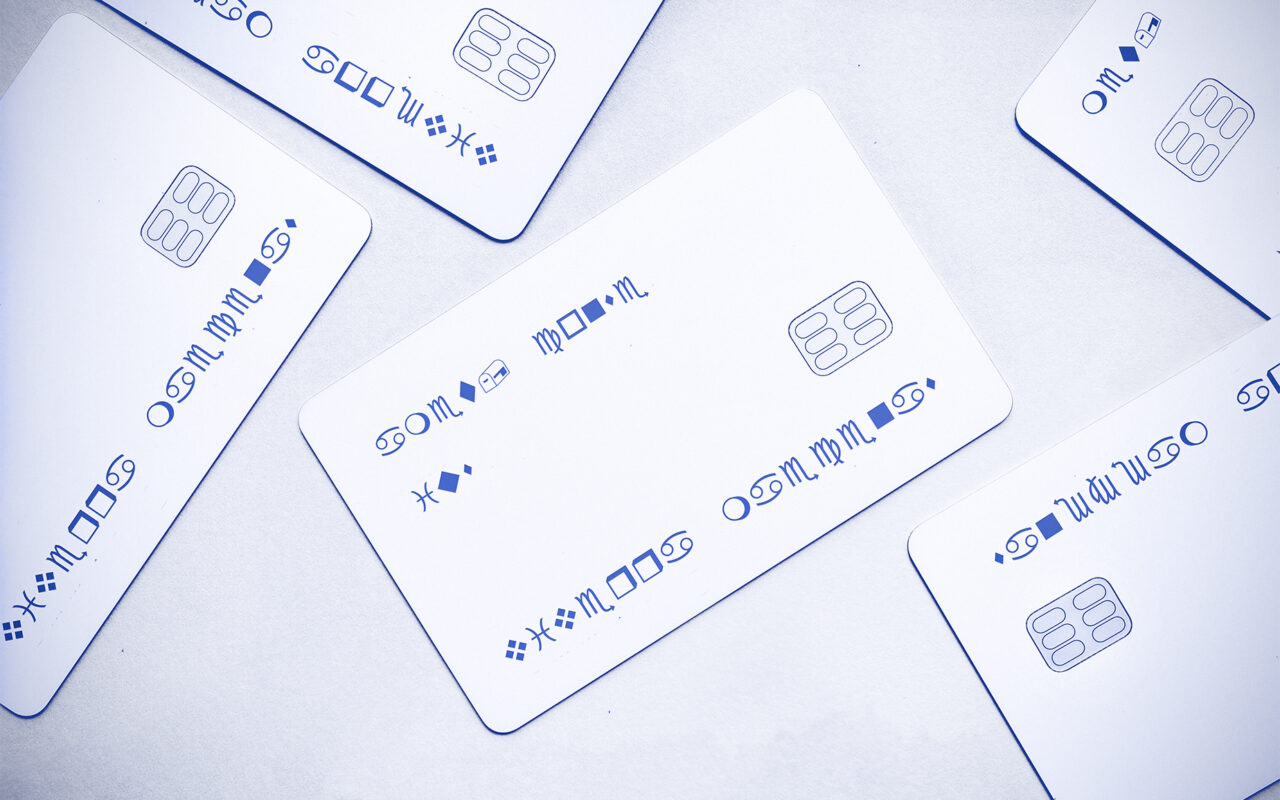
Tokenization is the process of replacing sensitive information, such as credit/debit card numbers or personal data, with a unique symbol or token that has no value of its own and cannot be easily reversed. This token acts as an identifier or reference value that is linked to the original information using secure encryption algorithms.
Its main benefit is the reduction of the risk of exposure of confidential data, since tokens have no meaning outside the specific context wherein they are used.
Why is tokenization so important in today’s financial world?
Tokenization in the financial sector has become a complete and secure tool for various applications, allowing cardholder data to be easily protected. Its function is to convert sensitive information, such as credit/debit card data or personal information, into a one-time and unrepeatable token, reversible only under proper handling and controlled management of cryptographic keys

This token is used in place of the original information and works through algorithms that integrate the highest security standards for the exchange and travel of information in the transactional lifecycle.
In the financial context, the token is implemented with the aim of improving security, efficiency, and interoperability in areas such as:
Secure payments: tokenization is used in credit and debit cards to make payments without exposing the cardholder’s financial information. Tokens replace real data during transactions, significantly reducing the risk of fraud.
E-commerce: In online transactions, tokenization is applied to protect the consumer’s financial information. Tokens are used in place of card data, providing an additional layer of security in electronic payments to prevent the collection of sensitive customer data.
Bank Transfers: By tokenizing the information used in bank transfers, the risk of exposure of confidential data, fundamental in the transactional process, both locally and internationally, is reduced to a minimum.
User Authentication: Tokenization is used in authentication processes that enable secure access to online accounts and financial services. Tokens are used as secure credentials that can be verified without revealing the original information.
Cryptoassets: Tokenization has been instrumental in the development of digital assets and cryptocurrencies. Tokens represent assets on blockchain, which facilitates the transfer and trading of digital assets.
Fraud prevention: By using tokens instead of sensitive financial data, the threat of attacks and fraud is reduced. Tokenization complies with security standards that help financial companies maintain the integrity of their customers’ information.
Tokenization has transformed the way financial transactions and data security are managed. As technologies advance, it is likely to continue to play a crucial role in the evolution of financial services.
At CLAI PAYMENTS® Technologies we strongly believe that tokenization is a critical data protection tool in the financial industry that must be maintained in your company’s information security processes, which is why CRYPTGRID™, our cryptography-as-a-service solution, offers you the ability to have this and other tools in place while providing a cutting-edge solution that will lead you to meet the industry’s highest security and compliance standards in a holistic manner.
If you would like to learn more about CRYPTGRID™ or any of our solutions, please leave us your details below and our dedicated team will contact you.